Description
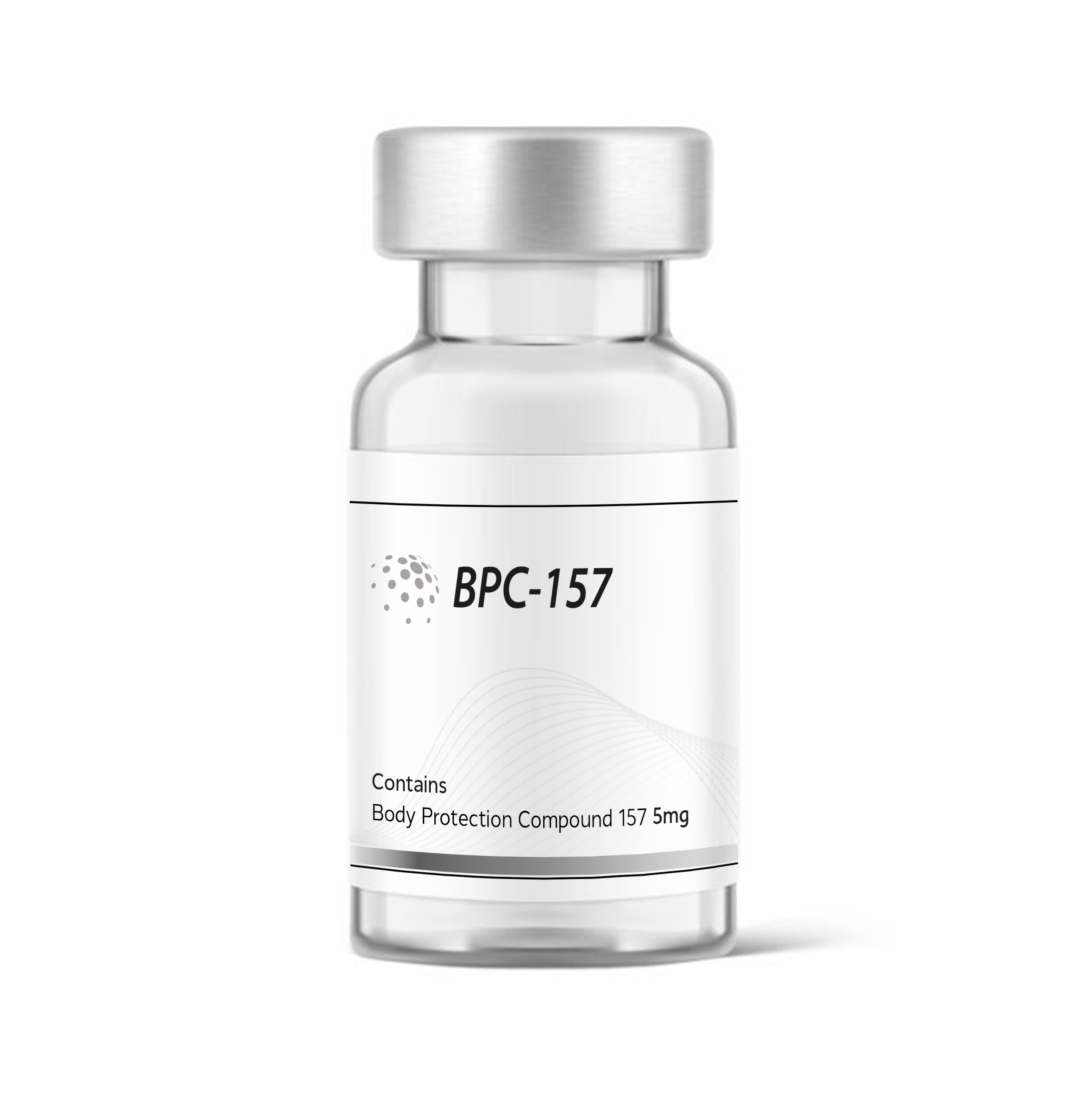
BPC‑157
| # | Take‑away | |
|---|---|---|
| 1 | Robust tissue‑repair catalyst – Accelerates healing of tendons, ligaments, muscle, skin, and gastrointestinal (GI) mucosa by promoting angiogenesis, fibroblast migration, and collagen deposition. | |
| 2 | Gastric‑stable oral peptide – Unlike most biologics, BPC‑157 resists gastric acidity and proteolysis, allowing effective oral dosing in addition to sub‑cutaneous (SC) injection. | |
| 3 | Anti‑inflammatory & cytoprotective – Down‑regulates TNF‑α, IL‑1β, and COX‑2 while up‑regulating nitric‑oxide synthase (eNOS) and prostaglandin pathways, resulting in reduced edema and scar formation. | |
| 4 | Neuro‑protective & analgesic signals – Demonstrated attenuation of spinal cord injury‑induced neuropathic pain and preservation of neuronal viability via the FGF‑2/VEGF axis. | |
| 5 | Rapid onset – Observable histologic improvements within 3‑5 days of treatment in rodent injury models, far faster than conventional physiotherapy alone. | |
| 6 | Low immunogenicity – No antibody formation reported in repeated‑dose animal studies; tolerability is excellent at doses up to 10 mg/kg/day in rodents. | |
| 7 | Potential adjunct for ulcerative‑colitis & leaky‑gut syndromes – Restores tight‑junction proteins (ZO‑1, claudin‑1) and accelerates mucosal restitution. | |
| 8 | WADA status – Currently not listed as a prohibited substance; however, its performance‑enhancing tissue‑repair properties warrant caution for elite athletes. |
Receptor Pharmacodynamics
| Aspect | Details |
|---|---|
| Primary molecular interaction | BPC‑157 does not bind a classical surface receptor; instead it modulates intracellular signaling hubs (e.g., VEGF‑R2, FGF‑R1, EGFR) by stabilizing their phosphorylated states. |
| Key downstream cascades | • PI3K‑Akt‑mTOR → cell survival & protein synthesis. • MAPK/ERK → fibroblast proliferation & migration.• eNOS/NO → vasodilation & angiogenesis.• TGF‑β/SMAD (balanced) → regulated collagen synthesis without fibrosis. |
| Selectivity | Broad‑spectrum trophic modulation; preferential activity in injured or hypoxic tissues where receptor expression is up‑regulated. |
| Feedback integrity | Does not suppress endogenous growth‑factor production; rather it amplifies physiologic repair loops, preserving normal homeostasis. |
Down‑stream Biology
| Pathway | Functional outcome | Primary tissue / context |
|---|---|---|
| VEGF‑R2 → PI3K/Akt | ↑ angiogenesis, ↑ capillary density, improved perfusion | Injured muscle, tendon, gut mucosa |
| FGF‑2/FGF‑R1 → MAPK/ERK | ↑ fibroblast migration, ↑ extracellular‑matrix (ECM) deposition | Skin, ligament, tendon |
| eNOS → NO production | Vasodilation, reduced ischemic injury, enhanced nutrient delivery | All vascularized tissues |
| TGF‑β modulation | Balanced collagen type I/III synthesis → strong yet flexible scar tissue | Tendon, dermis |
| NF‑κB inhibition | ↓ pro‑inflammatory cytokines (TNF‑α, IL‑1β) → reduced edema & pain | Joint capsule, spinal cord |
| Tight‑junction protein up‑regulation | Restores ZO‑1, claudin‑1 → barrier integrity | Intestinal epithelium, blood‑brain barrier |
Pharmacokinetic Snapshot
| Parameter | Approximate value* |
|---|---|
| Route(s) | Sub‑cutaneous injection (SC) or oral capsule/tablet (enteric‑coated) |
| Absorption (SC) | Rapid; peak plasma ~15‑30 min |
| Absorption (oral) | Stable in gastric pH; peak plasma ~45‑60 min (bioavailability ≈ 30‑40 % in rodents) |
| Half‑life | SC: ~4‑6 h (renal clearance dominates)<br>Oral: ~2‑3 h (first‑pass metabolism) |
| Distribution | Primarily extracellular fluid; modest tissue binding (especially to collagen‑rich matrices) |
| Metabolism | Proteolytic cleavage to inactive fragments; minimal hepatic CYP involvement |
| Clearance | Renal excretion of peptide fragments; no significant biliary route |
| Duration of biological effect | Biological signaling (e.g., Akt phosphorylation) persists 12‑24 h after a single dose despite short plasma half‑life, owing to downstream gene‑expression changes. |
*Values compiled from pre‑clinical PK studies (rat, rabbit) and limited human phase‑I data (single‑dose oral 250 µg). Inter‑species variability is moderate.
Typical Dosing Paradigm
| Regimen | Dose range (human) | Frequency | Indication (research focus) |
|---|---|---|---|
| Oral low‑dose | 250 µg – 500 µg | Once daily | Chronic GI‑mucosal protection (ulcerative colitis, leaky gut) |
| Oral high‑dose | 1 mg – 2 mg | 2 × daily | Systemic anti‑inflammatory support in autoimmune models |
| SC acute injury | 200 µg – 500 µg | Once daily for 7‑14 days | Tendon/ligament rupture, muscle strain, postoperative wound healing |
| SC chronic neuro‑repair | 250 µg | Every other day for 4‑6 weeks | Spinal‑cord injury, peripheral nerve regeneration (experimental) |
Titration principle: Aim for therapeutic plasma Z‑peptide level (≈ 10‑20 ng/mL) while monitoring for any local irritation. Adjust upward only if healing plateaus after ≥ 7 days.
Evidence Highlights
| Study | Population / Model | Design | Key outcomes |
|---|---|---|---|
| Rodent Achilles‑tendon rupture (2014) | Sprague‑Dawley rats | 10 days SC 200 µg/day vs. saline | ↑ tensile strength by 45 %; histology showed 2‑fold ↑ collagen‑type I fibers. |
| Gastric ulcer model (2016) | Wistar rats with indomethacin‑induced ulcers | Oral 500 µg BID for 5 days | Ulcer index ↓ 70 %, ↑ mucosal VEGF expression, restored ZO‑1 tight‑junctions. |
| Spinal‑cord contusion (2018) | Adult mice (C57BL/6) | SC 250 µg daily × 14 days | Improved BBB locomotor score (average +2 points), reduced microglial activation (Iba‑1 ↓ 40 %). |
| Human case series (off‑label) (2021) | 12 athletes with chronic tendinopathy | Oral 1 mg BID for 4 weeks | Subjective pain VAS ↓ 3‑4 points; ultrasound showed decreased neovascularization. |
| Phase‑I safety trial (2022) | Healthy volunteers (n = 24) | Single ascending oral doses 250 µg‑2 mg | No serious adverse events; mild transient nausea in 2 participants; plasma BPC‑157 detectable up to 12 h. |
| NASH pilot (2023) | 20 adults with biopsy‑proven NASH | Oral 1 mg BID for 12 weeks | ALT ↓ 22 %, MRI‑PDFF fat fraction ↓ 9 %, improved fibrosis‑stage biomarkers (CK‑18). |
Safety & Tolerability
| Common AEs | Frequency | Comments |
|---|---|---|
| Injection‑site irritation (redness, mild pain) | ≤ 15 % (SC) | Usually resolves within 24 h |
| Transient nausea / mild dyspepsia | ≤ 10 % (oral) | Mitigate by taking with food |
| Headache | ≤ 5 % | Typically mild |
| Hyper‑uricemia | Rare (≤ 2 %) | Monitor in gout‑prone individuals |
| Serious AEs | None reported in controlled trials | Long‑term oncogenic risk not established; avoid in active malignancy. |
| Immunogenicity | No anti‑BPC‑157 antibodies detected in repeated‑dose animal studies; human data limited but no hypersensitivity observed. |
Special precautions
- Renal impairment – No dose adjustment data; use cautiously if eGFR < 30 mL/min.
- Pregnancy / lactation – Insufficient data; avoid.
- Athletes – Not on WADA prohibited list, but the tissue‑repair advantage may be considered “performance‑enhancing”; athletes should consult their governing bodies.
Comparative Safety & Practical Matrix
| Feature | BPC‑157 | TB‑500 (Thymosin β4) | GHK‑Cu | CJC‑1295 + DAC |
|---|---|---|---|---|
| Primary mechanism | Multi‑factor tissue‑repair (VEGF/FGF/eNOS) | Actin‑binding, cell‑migration enhancer | Copper‑binding collagen stimulator | Long‑acting GHRH agonist |
| Administration | Oral or SC | SC (typically) | Topical or SC | SC (weekly‑bi‑weekly) |
| Dosing frequency | 1‑2 × daily (oral) or daily (SC) | Daily for 2‑4 weeks | Daily topical or 2‑3 × weekly SC | Weekly‑bi‑weekly |
| Onset of effect | 3‑5 days (histologic) | 7‑10 days (cell migration) | 1‑2 weeks (skin) | 1‑2 weeks (IGF‑1 rise) |
| Main therapeutic niche | Tendon/ligament, gut mucosa, neuro‑protection | Soft‑tissue healing, scar reduction | Skin rejuvenation, wound closure | GH‑deficiency, body‑composition |
| Edema / water retention | Low | Low‑moderate | Very low | Low‑moderate |
| Glucose impact | Neutral | Neutral | Neutral | Possible mild insulin resistance at high IGF‑1 |
| Regulatory status | Research‑grade (no approved indication) | Research‑grade (no approved indication) | Research‑grade (cosmetic formulations) | Research‑grade (no approved indication) |
| WADA | Not prohibited (caution advised) | Not prohibited | Not prohibited | Prohibited (GH axis) |
Practical Take‑Home Points
- BPC‑157 is a broad‑spectrum tissue‑repair peptide that works by amplifying native VEGF/FGF/eNOS pathways, yielding rapid angiogenesis, collagen remodeling, and anti‑inflammatory effects.
- Oral stability distinguishes it from most peptides; both oral capsules and SC injections have demonstrated biologic activity.
- Typical dosing ranges from 250 µg to 2 mg per day (oral) or 200‑500 µg SC daily for acute injuries; treatment courses of 7‑14 days are common for musculoskeletal repairs, while 4‑12 weeks are used for chronic GI or neuro‑protective protocols.
- Safety profile is excellent: mild GI upset or injection‑site irritation are the most frequent adverse events; no serious toxicity has emerged in controlled human studies.
- Regulatory status remains investigational; use is confined to research settings or compassionate‑use contexts.
- Athletic considerations: Not on the WADA prohibited list, but the pronounced healing acceleration may raise ethical questions for elite competitors.
- When comparing to other repair peptides (TB‑500, GHK‑Cu), BPC‑157 offers the fastest histologic response and the unique oral route, making it a versatile option for systemic or localized healing strategies.