Description
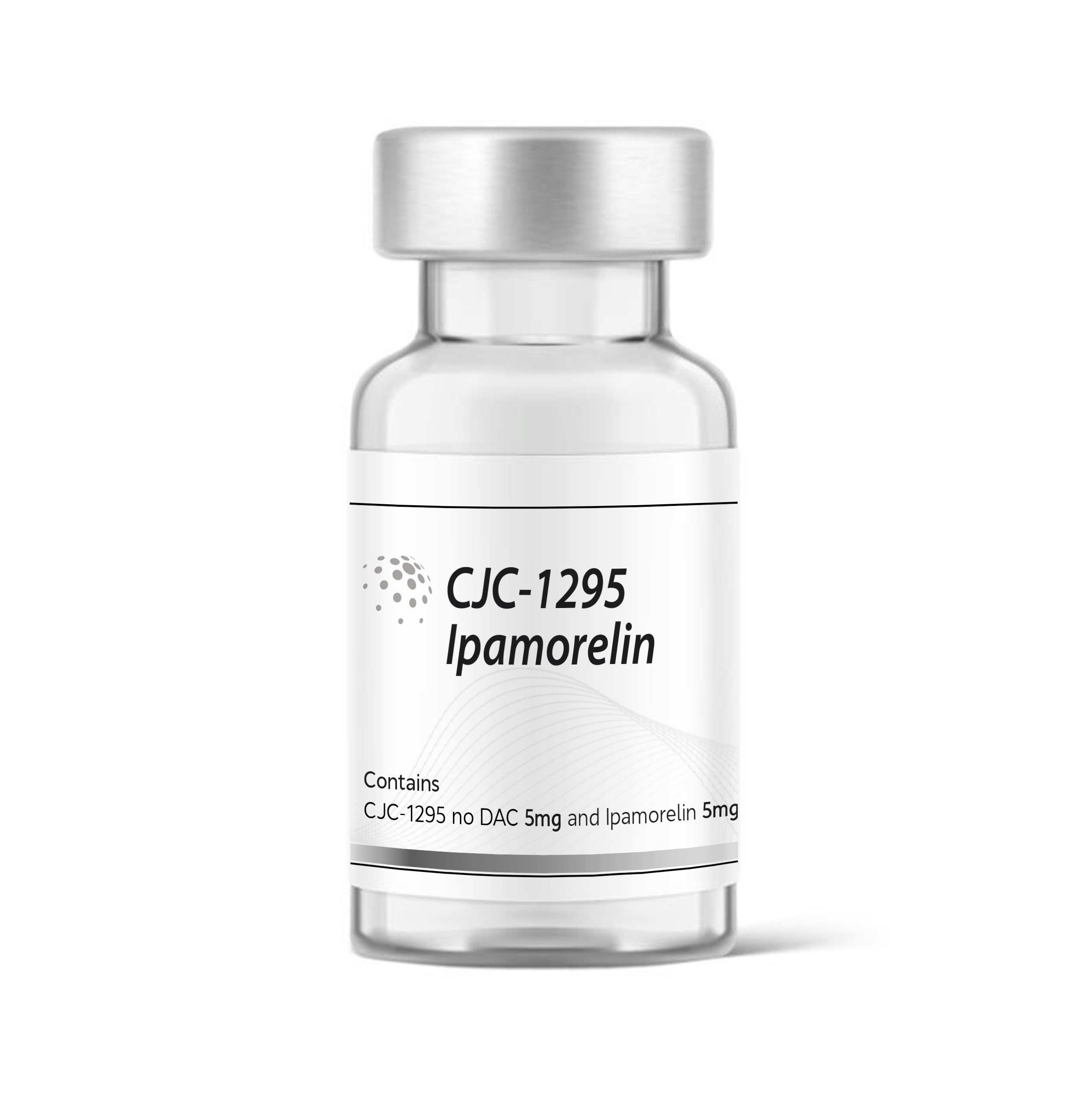
CJC‑1295 (No DAC) 5 mg + Ipamorelin 5 mg is a sterile, lyophilized peptide blend combining CJC‑1295 (without Drug Affinity Complex) and Ipamorelin.
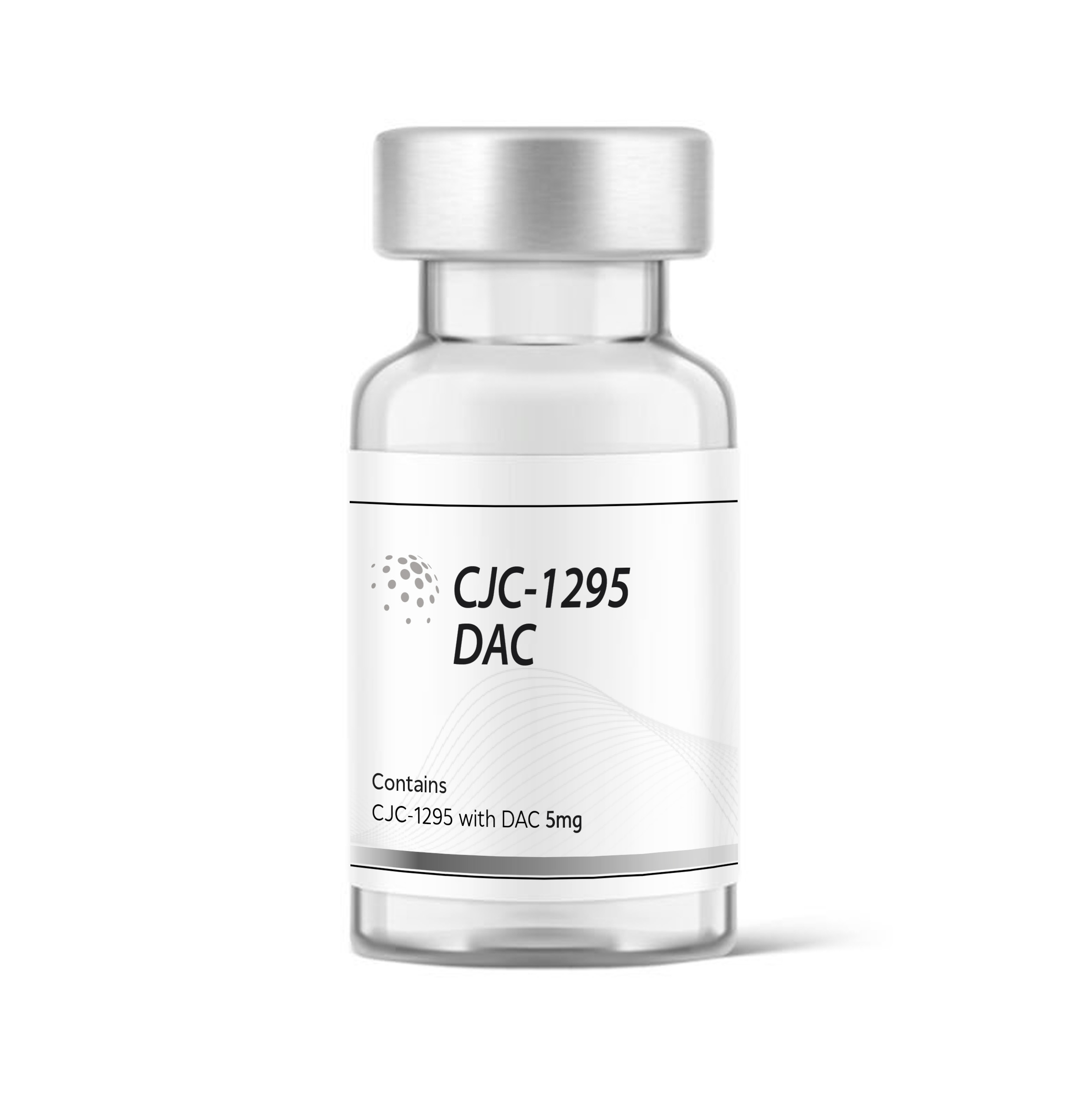
CJC‑1295 (No DAC) — 5 mg. A synthetic growth hormone‑releasing hormone (GHRH) analog designed to stimulate endogenous growth hormone secretion with an extended half‑life relative to native GHRH (No DAC variant has shorter systemic persistence than DAC form).
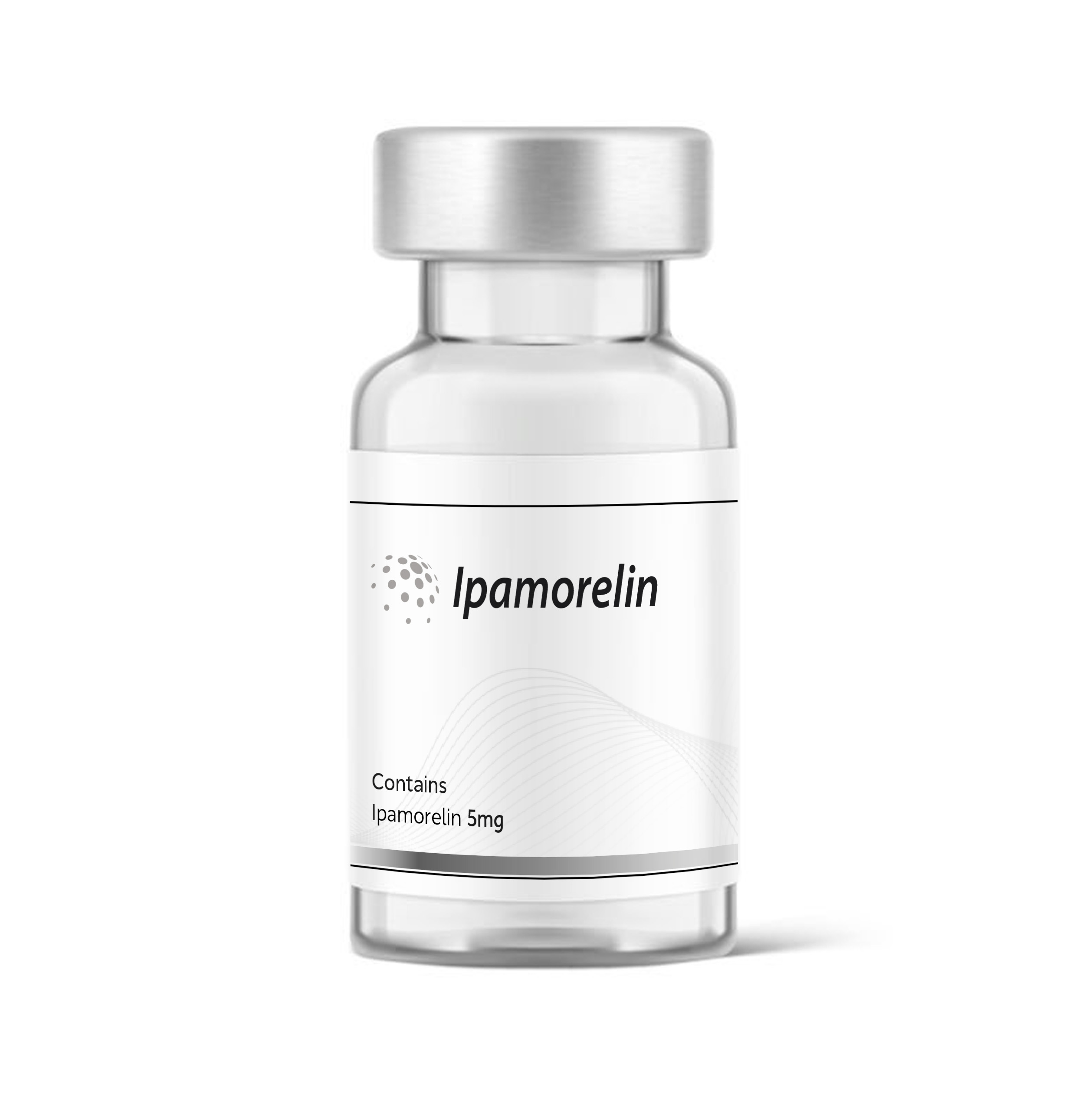
Ipamorelin — 5 mg. A selective growth hormone secretagogue (GHS) that binds ghrelin receptors to stimulate pulsatile GH release while exhibiting minimal effects on cortisol and prolactin.
CJC‑1295 (no DAC) combined with ipamorelin produces a coordinated, amplified stimulation of the body’s growth‑hormone axis. CJC‑1295, a growth‑hormone–releasing hormone (GHRH) analogue, increases the amplitude and duration of endogenous GH pulses by acting at the pituitary, while ipamorelin, a ghrelin‑receptor agonist (growth‑hormone secretagogue), promotes more frequent GH pulses through a separate hypothalamic/ghrelin receptor pathway. When given together the two agents act synergistically: the GHRH signal enhances the size of each GH secretory burst and ipamorelin increases the frequency of bursts, leading to larger, more sustained rises in circulating GH and downstream IGF‑1 than either compound alone.
Physiologically, this combination tends to produce an anabolic, lipolytic, and metabolically active state. The rise in GH drives hepatic IGF‑1 production, which mediates much of the anabolic signaling—promoting protein synthesis, lean tissue accrual, and bone turnover—while GH itself increases lipolysis, so body fat can decrease if caloric intake and activity support it. Clinically noticeable effects often follow this hormonal pattern: improved recovery and exercise tolerance, increased muscle fullness and strength over time, and changes in body composition with reduced adiposity. Many users also report increased appetite (largely from ghrelin pathway activation), transient fluid retention or mild peripheral edema, and subjective improvements in sleep or sleep‑related recovery due to enhanced nocturnal GH pulses.
Metabolically, however, increased GH and IGF‑1 shift glucose homeostasis toward relative insulin resistance: fasting glucose and insulin can rise, and long‑term exposure can worsen glycemic control in susceptible individuals. Although ipamorelin is more selective than other secretagogues and tends not to raise cortisol or prolactin markedly, individual responses vary. There is also a theoretical risk that chronically elevated GH/IGF‑1 could promote growth of preexisting neoplastic tissue, so use in those with active or recent malignancy is contraindicated.
Onset and character of effects are dose‑ and timing‑dependent and largely pulsatile rather than continuous; administering the combo near sleep commonly magnifies nocturnal GH peaks. Short‑term effects are generally reversible after cessation, but sustained alteration of metabolic markers (glucose, lipids, IGF‑1) can occur with prolonged use. Safety data for long‑term combined use in humans are limited, so monitoring of IGF‑1, glucose metabolism, and for signs of fluid overload or joint symptoms is standard in research or clinical settings.